Alpha-Lipoic Acid: What The Research Actually Shows
Alpha-Lipoic Acid (ALA) is a naturally occurring antioxidant compound with one of the more substantial published research bases in general nerve wellness supplementation.
Understanding what that research actually shows, and where it falls short, helps set realistic expectations.
A genuinely researched antioxidant
ALA is naturally produced by the body in small amounts and plays a role in cellular energy metabolism. It is also a recognized antioxidant, meaning it helps neutralize free radicals that can contribute to cellular stress.
What the published research suggests
An important distinction on dosing and form
Much of the more rigorous clinical research on ALA has used intravenous administration or specific high oral doses under medical supervision, sometimes for people with diagnosed conditions. This is meaningfully different from a standard oral supplement dose taken independently, so it's worth not assuming identical effects.
What the evidence does not support
ALA supplementation is not a treatment for diabetic neuropathy, does not reverse existing nerve damage, and should not replace medical care for any diagnosed nerve condition. If you have diabetes, ALA may also affect blood sugar levels, worth discussing with your doctor.
Applying this to NerveAlive
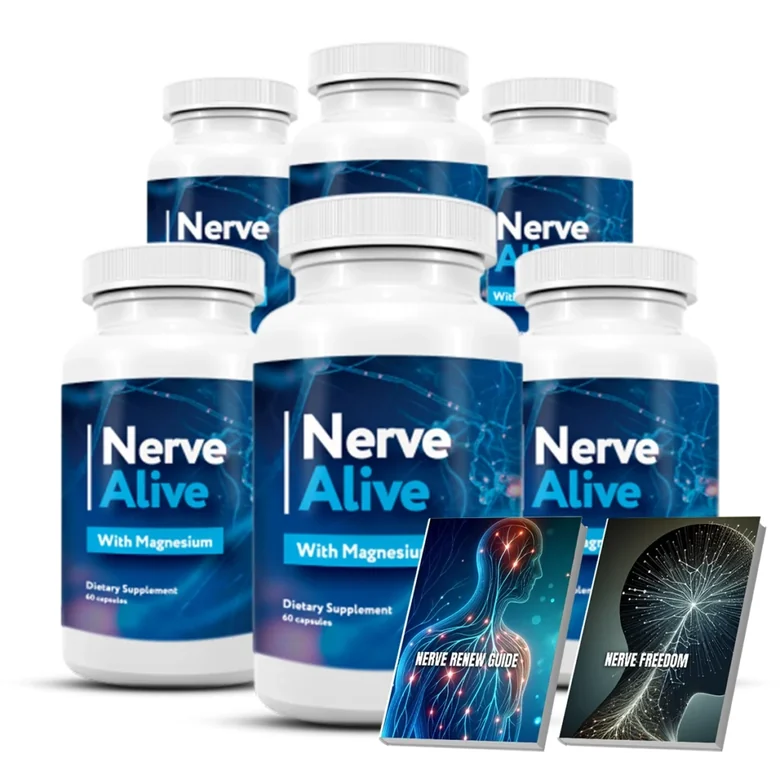
Alpha-Lipoic Acid is one of the six named ingredients in NerveAlive's formula, included as the ingredient with the strongest general research connection to nerve wellness. Given the genuinely substantial evidence base, it's reasonable to view this as a defensible core ingredient choice for general wellness support, while remaining realistic that a standard supplement dose is not the same as the higher, medically supervised doses used in some clinical research.